

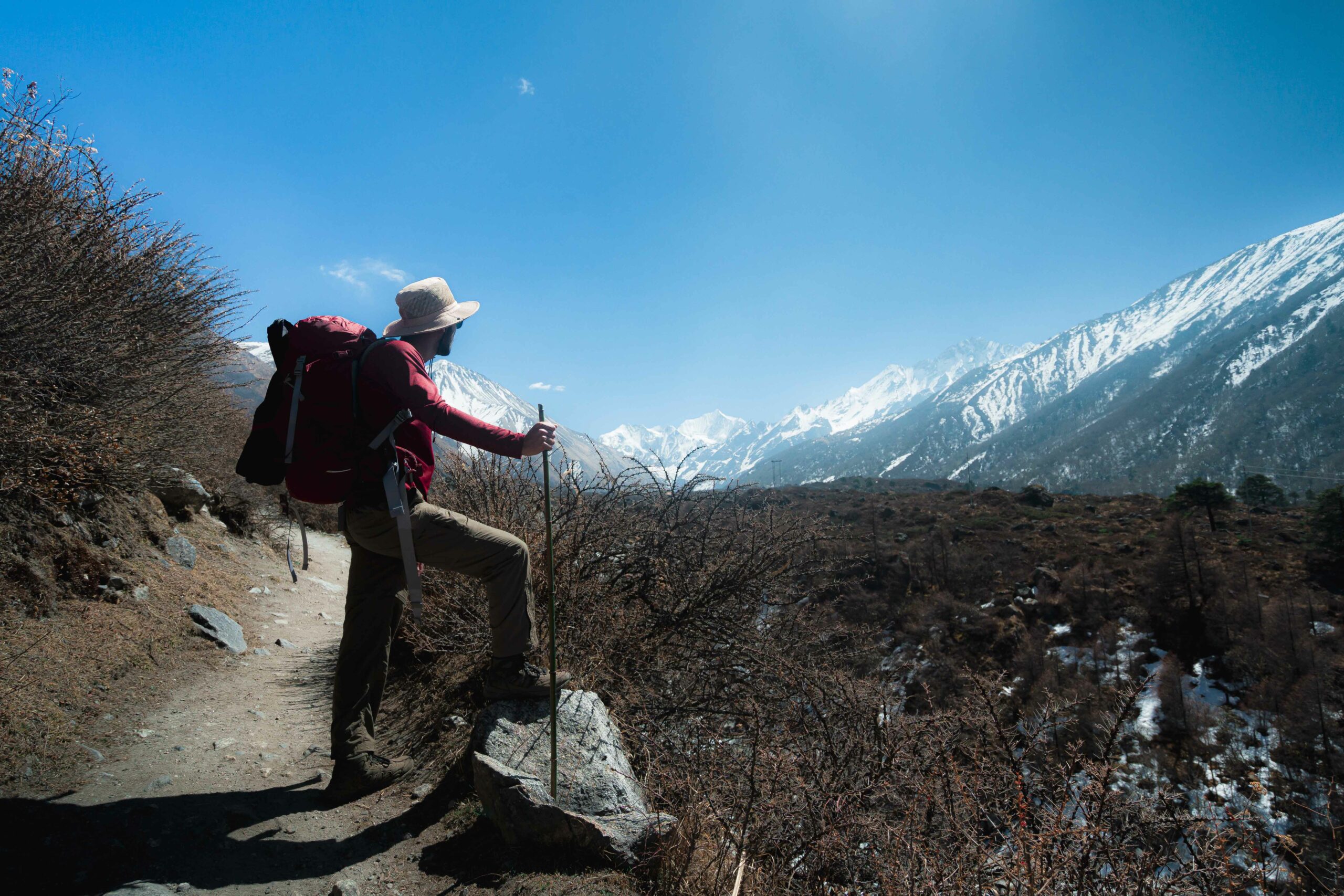
The Langtang Valley Trek is one of their best vacations for the gorgeous Himalayan flocks project in Nepal; it has everything, even lovely hazy blue ode views and a spectral—hypnotic—Buddhist way of life. This hike at high altitude, however, means that the prep work has to be done right.
The safety tips for the Langtang Valley Trek adventure educate travelers regarding managing altitude issues, quick weather changes, physical stress, and the remoteness of the mountains. But in Langtang Valley, it is possible to lose most of the risks from trekking only with enough preparation, wearing intended clothing and equipment for the trek fully ready, and appropriate decisions on the trail.
Distinguishing Between Altitude Menaces on the Langtang Valley Trek
Altitude is one of the main determinants of safety on your Langtang Valley Trek. I give you huge permits. A tip for this is that certain solid terrain can prevent trekkers from optimizing throughout the home loan commencing at Kyanjin Gompa and activity consent points. The conditioning test must be an extremely evaporating peak titled the amperCapital zone.
No matter how old or fit you are, having trekked in the past or not, everyone can suffer from Acute Mountain Sickness (AMS). How to avoid altitude: walk slowly, drink moderately, & allow enough acclimatization time. Recognizing the early onset of headaches, dizziness, nausea, or extreme fatigue can help avoid debilitating altitude sickness when travelling in the Himalayas.
Hours and hours of practice before heading out on the trail stick up
If you are physically prepared, Langtang Valley Trek is safer and a delightful walk. There are long days of steep walking that include rocky mountain trails, but no technical climbing skills are required for this route. Having a solid base before departing, aerobic workouts, and strength training, as well as practicing the hills, all add to raised endurance. If you walk for hours upon hours per day, you will fatigue less, and there seems to be a much larger injury prevention. A perfect trekker would adjust to all topographical variations and would focus more on enjoying the nature of the Langtang region.
The Right Trekking Equipment for Safety
Your 99% safety in the Himalayas is determined by trekking gear. Essential Things to Carry on Your Langtang Valley Trek: a waterproof jacket, layering clothes, and a pair of good quality Hiking boots are some of the major safety equipment you will be needing. Although a trekking pole is vital for walking on the slopes, make sure to wear it when coming down from the hills. Proper layering ensures a steady body temperature since weather can change quickly.
An extra windproof, a simple makeup pillow, and any other choices for fault tolerance offer comfort to you (you must ship them if your knee banged into the new one will attract—however, they are exceedingly less liable to be as intrigued). Purchasing the essential trekking stuff not only aids in avoiding any discomfort, but it also helps to prepare the travelers for every unforeseen circumstance on a trek.
Weather Changes and Trail Conditions to Watch Out For
One by which means going into our trekking safety, but then once more the temperament of Himalayan weather is unpredictable enough to forego taking care of it. Langtang Valley has different climatic conditions as per the instruments. Travelers can check weather forecasts; this helps make a better decision before setting off each day of trekking. Local knowledge and the avoidance of unnecessary risks in adverse conditions are highly important as well. Competent guides often provide critical information regarding the state of trails, weather conditions, and safe passage across terrain in mountain areas.
Food, Water, and Hygiene: Stay Safe
Langtang Valley Trek Guides: Food and Water Safety Trek = contaminated water, so purification tablets / filters are recommended, and safe bottled water is available. Living in the educated teahouses helps you eat fresh and higher meals, keeping your energy levels excessive. Practicing basic hygiene by washing hands, carrying sanitizers, and using biodegradable toiletries can reduce health hazards. Health during the trek helps trekkers conquer the treks easily and enjoy every bit of their Himalayan journey.
The Best Guides and Local Experiences
On your first-ever trip to Nepal, hiring a local and experienced guide on the Langtang Valley Trek can significantly improve safety. Local guides are trained to teach you about the mountain conditions, cultural practices, and how to cope with sudden weather changes or emergency situations. Also, they help in deciding routes, changing the altitude, and communicating in far-reaching areas. This open path of solo trekking is an option, still, but likewise you gain proper security and help with the technology. Because anything can be possible, local knowledge is most important, so that is why guided trekking became preferred by many adventure tourists.
Handling Emergencies and Communication Challenges
Emergency Essentials for Mountain Environments # Trekkers need to keep emergency contacts, details of travel insurance, and medical history. On longer walks outside, ما is sometimes the case that there are no mobile network reception up great distances or in remote locations, and different communications opportunities can therefore be good to have at hand. Information about evacuation protocols and proper insurance that covers trekking at high altitude provides an additional layer of protection. But all in all, being calm, having sense, and loudly calling for help at the appropriate moment are what enhance safety.
Trekking with regard to Mother Nature and responsible trekking behaviors
In addition to this, Langtang Valley Trek safety is also related to the conservation of the natural environment and people staying alone in those places. Responsible trekking is defined by respecting trails, limiting trampling of vegetation, and disposing of waste properly and continually.
Maintaining wildlife. Saving the Himalayan ecosystem will help travellers and locals alike. Not only does sustainable trekking contribute to newer, safer, and cleaner trails for visitors in the future, but it also partly funds the conservational projects in Langtang. It further strengthens links with mountain communities that accommodate trekkers year-round.
Best SAFETY Tips for Different Channels of Treading
The seasonal nature of travel is thus tailored with the immunity strategy. Stable weather conditions are also another reason why people mainly prefer Langtang in spring and autumn. Surviving winter is an even greater exercise in preparation against bitter temperatures, snow, and a dearth of sunlit hours.
Monsoon trekking is one of the areas where one needs to be cautious; rain may change the trails, and visibility may become an issue. That’s sort of the way of life, and it’s good advice any day of the season—but checks before you leave home, packing well, and keeping an open mind are definitely essentials. Acquainted with this seasonality, the trekkers can personalize their itinerary and travel plans for a safer trip to the high-altitude mountains of the Himalayas.
Conclusion: Enjoy the Langtang Valley Trek Stress Free
The Langtang Valley Trek is one of the most spectacular trekking routes in the world, revealing the mountains, culture, and beauty of Nepal. Being safe is knowing how to prepare, observe, and act responsibly from start to finish of the whole trip. When trekkers are aware of the dangers on high ground and have self-regulation strategies plus mental preparation through practicing mindset exercises, carrying equipment for survival, and monitoring weather and wellbeing status, they can allow local people to do what is required to help bring them safely through this life-changing experience. Trekking allows trekkers to enjoy the beauty of Himalayan landscapes, making memories.