

Holiday periods often create some of the busiest weeks of the year for cafes, bakeries, restaurants, and dessert shops. Customers may be ordering seasonal drinks, cakes, gift boxes, pastries, or special desserts for gatherings and celebrations. The increase in demand can be profitable, but it also places extra pressure on staff, storage space, and preparation schedules.
Whipped toppings can be useful during festive service because they work across many menu items and can help businesses create a more seasonal presentation without changing the entire kitchen system. When cream-charger equipment is used correctly for culinary purposes, it can support more consistent topping preparation during high-volume periods.
Plan the Menu Around Familiar Bestsellers
Holiday menus do not need to be completely new. Many businesses get better results by adapting products that customers already know. A popular cake can receive a seasonal garnish, a standard hot drink can be finished with a festive topping, and a familiar waffle or dessert cup can be updated with winter flavors.
This approach reduces training time because the core preparation method remains the same even when the presentation changes.
Prepare High-Use Components in Advance
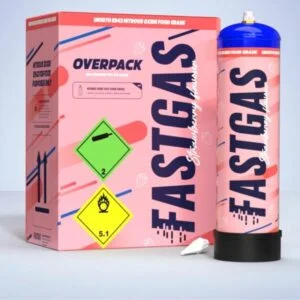
Busy holiday service becomes easier when commonly used elements are organized before the rush begins. Culinary products such as galaxy gas are associated with cream-charger applications used with compatible food-preparation equipment. In an appropriate kitchen setup, this can help staff keep suitable aerated toppings ready for repeat use across desserts and beverages.
Preparation allows the team to focus on assembly, packaging, and customer service instead of repeatedly stopping to prepare the same finishing component.
Introduce Seasonal Flavors Carefully
Holiday menus often include flavors such as chocolate, vanilla, coffee, cinnamon, caramel, peppermint, or warm spices. The most practical strategy is to choose a small number of seasonal variations rather than introducing too many at once. A focused menu is easier to stock, prepare, and explain to customers.
Whipped components can be adapted to complement these flavors, provided the recipe and equipment are suitable for the intended culinary use.
Use Toppings Across Several Products
Holiday ingredients can become expensive if they are purchased for only one menu item. A culinary option such as Exotic whip can fit within an appropriate cream-charger workflow for food preparation. This can support aerated toppings that work across cakes, hot drinks, milkshakes, waffles, or plated desserts.
Using the same core component in several products helps simplify inventory and gives staff a more familiar process to follow during busy shifts.
Keep Visual Standards Clear
Holiday products often rely heavily on presentation. Customers may expect decorative toppings, themed garnishes, or a more generous-looking finish. However, extra decoration can lead to inconsistency if staff do not have clear instructions.
Reference photos can help employees understand exactly how each seasonal item should look. This reduces guesswork and makes it easier to maintain the same presentation throughout the holiday period.
Protect Portion Control During Peak Demand
High-volume service can lead to over-portioning because staff are working quickly. A topping that is slightly oversized may not seem significant, but repeated across hundreds of holiday orders, it can increase food costs considerably.
Simple portion standards help control this. Staff should know how much whipped topping belongs on each drink or dessert and should not need to make a new judgment every time.
Plan for Extra Storage and Restocking
Holiday sales can create pressure on both refrigerated and dry storage. Businesses should estimate how much cream, garnish, packaging, and other ingredients they are likely to use and identify where backup supplies will be kept.
A restocking system is also important. Front-line staff should not need to leave the service area for long periods to find additional ingredients.
Keep Cleaning Routines Consistent
Busy periods can make it tempting to delay cleaning tasks, but this usually creates more problems later. Cream-dispensing equipment should be cleaned according to manufacturer instructions, and dairy-based ingredients should remain at suitable temperatures. Pressurized culinary products should also be stored safely and protected from excessive heat or physical damage.
Clear responsibilities help ensure that cleaning and food-safety standards are maintained even during long shifts.
Review What Worked After the Season
Once the holiday period ends, businesses can review sales and operational performance. Managers can identify which seasonal products sold well, which ingredients created waste, and which preparation steps caused delays.
This information makes the next holiday menu easier to plan and can also reveal seasonal ideas worth bringing back.
Conclusion
Holiday dessert service works best when businesses balance creativity with operational simplicity. Familiar menu foundations, limited seasonal flavors, clear portions, and organized preparation can help teams handle increased demand without losing consistency.
Cream-charger systems can support this type of service when used responsibly for culinary applications. With careful planning, clear training, and good storage practices, cafes, bakeries, and restaurants can create festive dessert offerings while keeping the kitchen efficient during one of the busiest times of the year.