

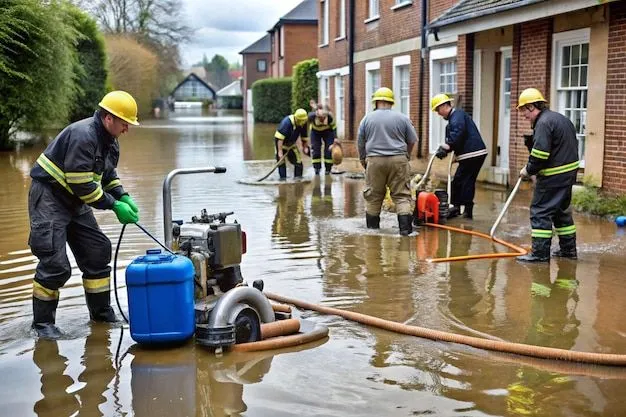
A burst pipe starts with a small crack, then a hiss, then a lot of water. Water moves fast and it never goes where you want. It can fill a hallway in minutes. Most people freeze for a second. That pause is normal, but the next ten minutes decide how much of the house survives.
Knowing the right order of steps keeps panic from running the show. Quick action also makes Residential Water Damage Restoration simpler, faster, and far less costly. Below are the moves that matter most, from the main valve to the final drying.
Shut Off the Water First
Find the main shutoff valve and turn it clockwise. Do it before anything else. Every extra minute of flow means more soaked wood and more mess to clean. Most valves sit near the water meter, in the basement, or on the street side of the house.
Next, call a team that offers Emergency Water Extraction Services while you drain the pipes. Open a few faucets to clear what is left in the lines. Then switch off the water heater. A hot tank with no new water can overheat.
Cut Power in Wet Areas
Water and electricity do not mix. Safety beats speed every time. If outlets, cords, or appliances sit in wet areas, turn off the breaker for that room. Do it only if the panel is dry and you can reach it without stepping in water. Otherwise, wait for an electrician.
Never touch a plugged-in device that is sitting in water. Look up, too. Ceiling leaks can pool in light fixtures, and a bulge in the drywall often holds a gallon or more. Stay out of any room that looks like it might sag.
Photograph Everything Before Moving Things
Grab your phone and take photos and short videos. Show the broken pipe, the wet floors, the damaged furniture, and the ceiling. Date stamps help. Insurance adjusters like clear proof, and memory fades fast when you are stressed and tired.
Write down what was in the room, too. A quick list of rugs, electronics, and boxes saves time later. Then call your insurer and ask how to file a claim. Many companies have a phone line that runs all day and night.
Remove Standing Water and Wet Items
Small puddles can be mopped or soaked up with towels. Bigger amounts need pumps and wet vacuums. Work from the driest edge toward the wettest spot. Lift furniture off wet carpet, and prop up cushions so air can reach them. Move rugs, books, and papers to a dry place.
Wear rubber boots and gloves. Pipe water is usually clean at first, but it picks up dirt from floors and walls fast. Do not use a regular household vacuum on water. That is an easy way to ruin the motor, or get hurt.
Dry Out the Space Quickly
Open windows if the weather allows. Run fans and, if you own one, a dehumidifier. Air has to move across every wet surface. Mold can start in a day or two, and it loves warm, damp rooms with little airflow.
Pull baseboards away from wet walls if you can do it safely. Water hides behind them. Check closets and cabinets too. Surface dry does not mean dry inside. If a wall still feels cool or damp, leave the fans running.
When to Call the Professionals
Call a pro if water spread past one room, soaked drywall, or sat for more than a day. Technicians bring moisture meters and heavy dryers that home fans cannot match. They also know when a wall must be opened, and when it can stay. Waiting longer rarely saves money.
Ask about response time, equipment, and insurance paperwork before you hire anyone. A good company explains the plan in simple words. Strong Residential Water Damage Restoration should cover drying, cleaning, and repairs, not just a quick mop job. Get it in writing.
Conclusion
A burst pipe feels like a disaster, and it is stressful. Still, a clear order of steps helps: stop the water, stay safe, document, dry, and call for help. The teams at movefastrestoration.com handle this kind of emergency every week.
Do not wait to see if a wet spot dries on its own. Emergency Water Extraction Services can pull out hidden moisture before it becomes mold or rot. A short check now beats a long repair later. Act today, and your floors, walls and wallet will thank you.