

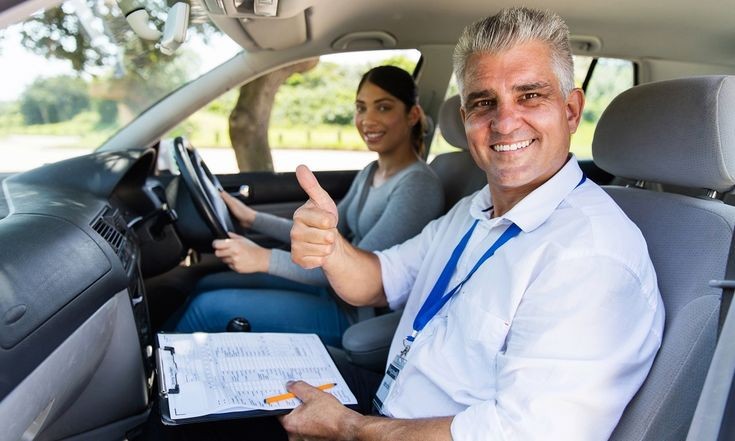
The age at which people feel comfortable driving varies. For some, a driver’s license is a necessity from the start, while for others, getting the keys to a car or a license is more useful because of their work, family obligations or moving to a new city or country. It’s a bit weird to start later, but that doesn’t mean that if you’ve been driving for years, then you’re automatically a good driver.
Adults searching for driving schools near me may arrive with problems that are different from those of younger learners. Some worry about busy roads. Others have avoided driving after an uncomfortable experience years earlier. A useful starting point is accepting that the first few sessions do not need to look effortless.
Forget What Other Drivers Make Look Easy
After years of riding with experienced drivers, ordinary actions can seem almost automatic. Someone checks a mirror, changes lanes, parks and continues the conversation without appearing to think about any of it.
A beginner experiences the same tasks very differently.
Steering while checking surroundings may initially require full concentration. Even deciding how firmly to press the brake can take thought. Comparing that experience with someone who has driven for fifteen years is hardly fair.
Those effortless-looking actions became familiar through repetition. New learners need that repetition too.
Say What Makes You Uncomfortable
Adults sometimes feel embarrassed admitting that a particular situation makes them nervous. Keeping quiet does not make the concern disappear.
If traffic speed feels uncomfortable, say so. If parking is causing frustration, mention it. If a previous driving experience still affects confidence, an instructor needs to know that the learner may benefit from a more gradual approach.
Specific concerns are easier to work on than a general feeling of “I’m bad at driving.”
Once the difficult part has a name, practice can become more focused.
Short Sessions Can Still Be Useful
Work and family schedules do not always leave room for long periods of practice. That does not mean a shorter session has little value.
Thirty focused minutes spent on turns or parking can accomplish more than an aimless two-hour drive. The learner knows what they are trying to improve and can repeat the skill while the previous attempt is still fresh.
Consistency can also help. Driving occasionally with very long gaps between sessions may mean spending part of each practice period simply becoming comfortable again.
Ask Why, Not Just What
During professional driving lessons, adults can benefit from understanding the reason behind a correction rather than simply following an instruction.
Suppose an instructor asks the learner to begin slowing earlier. Knowing why that creates a better approach can make the advice easier to remember in another situation.
Adults often bring years of experience learning other skills at work or in daily life. Using that same curiosity behind the wheel can be helpful. Questions are not evidence that someone is struggling; they are one way of making unfamiliar information clearer.
Don’t Avoid One Difficult Skill Forever
Everyone has something they would rather skip.
Perhaps parallel parking has gone badly twice, so the learner starts hoping it simply will not come up. Maybe merging into heavier traffic feels uncomfortable enough that quieter roads become the permanent choice.
Avoidance can make the problem seem larger.
Instead, break the difficult skill into smaller parts. With parking, work first on positioning. With heavier traffic, begin during a less demanding period before trying a busier one. The step does not have to be dramatic to count as progress.
Notice Improvements That Aren’t Obvious
A perfect maneuver does not always mark progress.
Maybe the learner no longer grips the steering wheel as tightly. Perhaps they noticed a slowing vehicle without being prompted or recovered calmly after missing a turn.
Those changes matter. They show that attention is shifting from simply controlling the car toward understanding what is happening around it.
Looking back occasionally can reveal how much has changed since the first lesson, even when there is still plenty to learn.
Conclusion
Starting to drive as an adult does not require catching up with anyone else. A learner may need extra time with parking, traffic or simply becoming comfortable in the driver’s seat and that is part of the process. Focused practice and clear questions can make unfamiliar situations easier to handle without rushing them. Adults considering driver education or practical instruction can review the learning and training options available through myfirstdrive.net when deciding how they want to begin.