

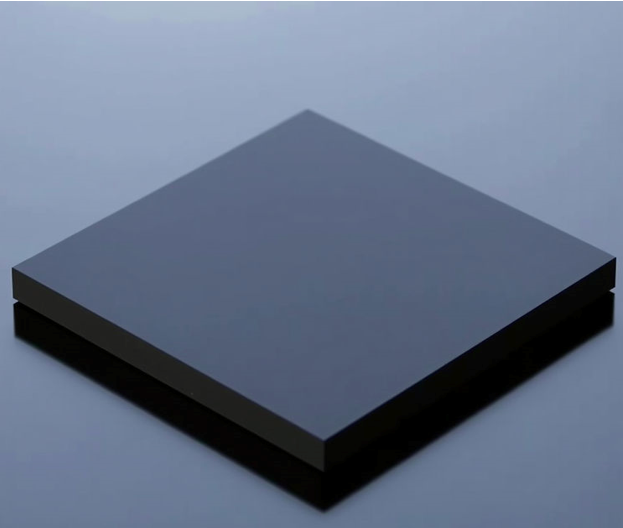
High-temperature industrial systems require materials that can maintain strength, resist thermal stress, and perform reliably over long periods. Two commonly used ceramic materials in such environments are silicon carbide plates and alumina sheets. Both are widely used in furnaces, thermal systems, and industrial processing equipment, but they offer different performance characteristics.
Understanding how these materials behave under high-temperature conditions helps engineers and industrial buyers choose the right solution for their applications.
Overview of Silicon Carbide Plate
A silicon carbide plate is a high-performance ceramic component made from silicon and carbon. It is known for its exceptional strength, high thermal conductivity, and resistance to thermal shock.
Silicon carbide plates are commonly used in applications where materials are exposed to extreme heat and rapid temperature changes. Their durability makes them suitable for demanding industrial environments.
Overview of Alumina Sheet
An alumina sheet is a ceramic material made from aluminum oxide. It is widely used for its electrical insulation properties and ability to withstand high temperatures.
Alumina sheets are commonly found in electronic systems, thermal insulation layers, and structural components in industrial equipment. They offer a reliable and cost-effective solution for many high-temperature applications.
Temperature Resistance and Stability
Both silicon carbide plates and alumina sheets can operate at high temperatures, but their performance differs under certain conditions.
Silicon carbide plates can handle higher temperatures and are better suited for environments where extreme heat is present. They maintain their strength even under intense thermal stress.
Alumina sheets also perform well at high temperatures but are generally used in slightly less demanding conditions. They provide stable performance in controlled environments where temperature changes are gradual.
Thermal Conductivity
Thermal conductivity is an important factor in high-temperature applications.
A silicon carbide plate offers high thermal conductivity, which allows it to transfer heat efficiently. This makes it ideal for systems where heat needs to be distributed quickly.
An alumina sheet has lower thermal conductivity compared to silicon carbide. This makes it more suitable for applications where insulation is required rather than heat transfer.
Resistance to Thermal Shock
Thermal shock occurs when materials experience rapid temperature changes. Silicon carbide plates have excellent resistance to thermal shock. They can handle quick heating and cooling cycles without cracking, which makes them ideal for dynamic thermal environments.
Alumina sheets are more sensitive to rapid temperature changes. They perform best in systems where temperature variations are controlled and gradual.
Mechanical Strength and Durability
Both materials offer strong mechanical properties, but there are differences in their performance. Silicon carbide plates provide higher strength and hardness. They are more resistant to wear and mechanical stress, making them suitable for heavy-duty applications.
Alumina sheets also offer good strength but are more brittle compared to silicon carbide. They are better suited for applications where mechanical stress is moderate.
Applications in Industry
Silicon carbide plates are widely used in furnace linings, kiln shelves, and heat treatment systems. It is also used in applications that involve abrasive materials due to its wear resistance.
An alumina sheet is commonly used in electronic substrates, insulation layers, and protective components in industrial equipment. Its electrical insulation properties make it valuable in electronic and electrical systems.
In some cases, both materials are used together in the same system. Silicon carbide may handle high stress and heat transfer, while alumina provides insulation and support.
How to Choose the Right Material
Choosing between a silicon carbide plate and an alumina sheet depends on the specific requirements of the application. If the system involves extreme temperatures, rapid temperature changes, or heavy mechanical stress, silicon carbide is the better choice.
If the application requires electrical insulation, stable temperature conditions, and cost efficiency, alumina is more suitable. Engineers should consider factors such as temperature range, thermal behavior, and mechanical load when selecting the material.
Conclusion
Silicon carbide plates and alumina sheets are both essential materials for high-temperature industrial applications. While they share some similar properties, their differences in thermal conductivity, strength, and resistance to thermal shock make them suitable for different environments.
By understanding these differences, engineers and industrial buyers can select the right material to improve performance, reduce maintenance, and ensure long-term reliability in their systems.
