

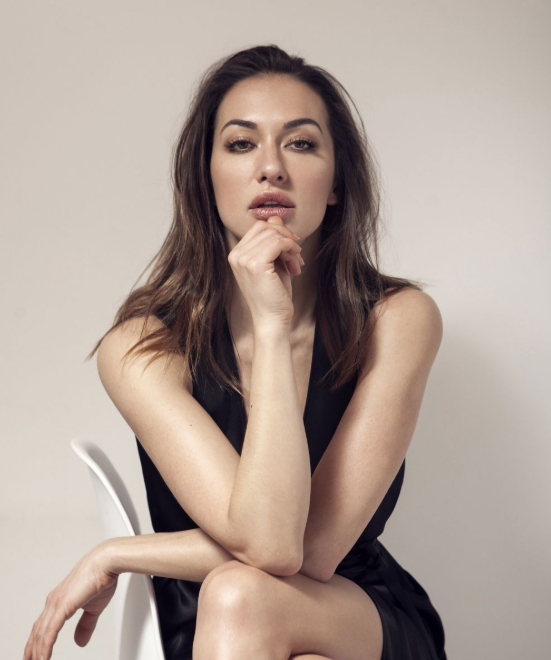
When people search for Tasya Teles interview, The 100 expect direct explanations. What they usually get feels more layered and sometimes slightly indirect. Interviews tend to highlight preparation, mindset, and scene execution instead. She often explains how understanding context matters more than memorizing lines. This makes responses feel practical rather than overly detailed about the plot. It is not always straightforward, but it gives useful insight into performance.
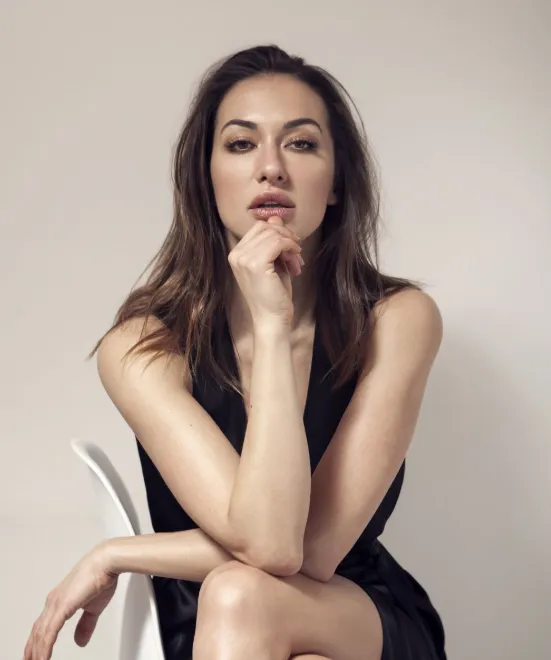
Her role in the show connects strongly to structure and discipline.
Tasya Teles played a character who operates within a strict system of rules. That structure shapes how scenes are delivered and understood by viewers. In the Tasya Teles interview, The 100, she often mentions consistency in behavior. It shows how characters must align with the environment around them. This approach keeps performance grounded and controlled. It avoids unnecessary variation that might disrupt continuity across episodes.
An actor’s style shifts depending on scene requirements and tone.
Her performance style does not stay fixed across all situations. Some scenes require restraint, while others need a stronger emotional presence. Tasya Teles’s supernatural TV roles also show this variation clearly. She modulates delivery according to pace, conversation, and interaction with others. Such flexibility helps in various forms of storytelling. It is a pragmatic approach as opposed to a uniform way.
The emphasis of dialogue delivery is on articulateness and moderated speed.
In sitcoms, communication should be understandable and smooth. Tasya Teles is a steady actor when performing lines in complicated situations—the Tasya Teles Interview. The 100 usually touches on this point in a cursory way. It demonstrates the impact of timing on the reception of information by viewers. This emphasis on clarity is useful in preventing confusion in crucial situations. It does not stand out too much, but it supports the overall narrative.
Physical presence contributes as much as spoken dialogue.
Her roles often require strong physical expression alongside dialogue delivery. Movement, posture, and reactions add meaning without words in many scenes. The Tasya Teles supernatural TV roles demonstrate this clearly across different shows. Physical control becomes important when dialogue is limited. This balance helps maintain engagement even in quieter moments. It adds another layer to performance beyond spoken lines.
Scene preparation includes understanding relationships and context.
Actors usually study the relationship of characters before shooting the film. This is the way that Tasya Teles uses to influence interactions. The Tasya Teles Interview, The 100, provides an insight into the context affecting reactions. It does not only concern personal performance but also group dynamics. This setup enhances uniformity in various scenes. It makes sense that behavior in the past is consistent with what has happened.

The process of working in ensemble casts involves coordination and timing.
Scenes usually contain several characters that are interacting simultaneously. This involves coordination to ensure there is flow and no overlap. The Tasya Teles supernatural TV roles demonstrate the practical use of ensemble work. All of the actors will have to adapt the timing of others in the scene. This flow of coordination helps in interaction without coercion. It forms a natural rhythm that is unplanned yet controlled.
Interviews bring out pragmatic challenges as opposed to melodramas.
The majority of the interviews do not exaggerate and concentrate on the actual challenges in the course of shooting the film. Tasya Teles frequently refers to the issue of schedule, preparation, and technical limitations. These details are easily found in the Tasya Teles interview, The 100. It provides a realistic perspective of production without any unnecessary dramatization. This strategy makes expectations low for viewers. It also demonstrates the extent of work that goes on in the background.
Supernatural roles require adapting to different visual environments.
Working in supernatural settings involves reacting to elements added later. Actors often perform without seeing the final visual effects during filming. The Tasya Teles supernatural TV roles highlight this adjustment clearly. It requires imagination and precise timing to match future visuals. This process may feel unusual compared to standard acting. It adds complexity without being visible in the final product.
Consistency across episodes remains a key performance requirement.
Characters must behave consistently, even as situations change over time. Tasya Teles maintains this consistency through controlled delivery and awareness. The Tasya Teles Interview The 100 explains how small details matter here. Even minor inconsistencies can affect how a character is perceived. This attention to detail supports long-term storytelling effectively. It ensures continuity remains intact across episodes.
Audience perception connects closely to subtle performance choices.
Small changes in tone or expression can influence how viewers interpret scenes. Tasya Teles uses subtle adjustments to guide audience understanding. The Tasya Teles supernatural TV roles demonstrate how these details affect perception. It is not always obvious, but it shapes the overall experience significantly. This technique requires careful control rather than dramatic shifts. It reflects a measured approach to performance.
Practical insights from interviews help understand acting processes better.
Interviews provide useful information about how roles are prepared and executed. The Tasya Teles Interview: The 100 offers insight into structured performance methods. It shows how actors balance emotion, timing, and technical requirements. Tasya Teles’s supernatural TV roles add another perspective on adapting to different genres. Together, they provide a clearer understanding of acting as a process. This knowledge improves appreciation of what appears on screen.
Conclusion
Tasya Teles’ interviews and roles highlight a practical approach to acting across structured and supernatural settings. Her work reflects consistency, preparation, and adaptability across different formats and expectations. These elements contribute to how scenes feel controlled yet natural at the same time. Understanding these details helps viewers notice subtle performance choices more clearly. For deeper insights and continued updates, keep exploring structured guides and follow professional analysis regularly.
