

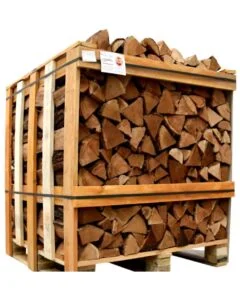
Using firewood can be a practical way to support home heating, but even good-quality fuel can perform poorly when it is handled incorrectly. Many problems come from simple habits rather than from the fuel itself. Damp storage, poor stacking, oversized loads, and unsuitable burning techniques can all reduce efficiency and make a stove harder to manage. Understanding these common mistakes can help homeowners get more consistent heat, protect their appliance, and make better use of every delivery throughout the colder months.
Storing Logs in a Damp Corner
One of the most common mistakes is keeping logs in a place that looks sheltered but remains damp. A closed shed with little ventilation, a stack placed against a wet wall, or fuel stored directly on the ground can all create problems. Moisture may build slowly, so the damage is not always obvious at first.
Logs should be protected from direct rain while still receiving enough airflow. Raising them above the ground can also help reduce contact with damp surfaces and improve storage conditions.
Assuming All Wood Burns the Same
Not every piece of wood behaves identically in a stove. Differences in moisture content, size, density, and preparation can influence lighting time and burn rate. Mixing very damp logs with properly dried ones can make the whole fire less predictable.
It is useful to pay attention to how different batches perform. If one delivery produces weaker flames or more smoke, the issue may be related to fuel condition rather than the appliance. Consistency makes it easier to judge how much fuel is actually needed.
Loading Too Much at Once
A heavily packed stove may look as though it will produce more heat, but this is not always the case. Too many logs can limit airflow and make combustion less efficient. The stove may become difficult to control, and some of the fuel may smoulder instead of burning cleanly.
Smaller, well-spaced loads often provide better control. Adding more fuel once a strong bed of embers has formed can help maintain steady heat without overcrowding the firebox.
Ignoring the Needs of Pellet Fuel
Some households assume all wood-based fuels can be stored in the same way. However, wood pellets need particular protection from moisture. Their compact form makes them convenient for compatible systems, but once they become damp, they can swell, soften or crumble.
Keeping bags in a dry place and away from wet floors is important. Damaged pellets may not feed correctly through equipment designed for automated operation. Separate storage arrangements are often the safest option when a household uses both logs and pellet fuel.
Closing Air Controls Too Early
Another frequent mistake happens during the first few minutes of a fire. Once flames appear, it can be tempting to reduce airflow immediately in an attempt to slow the burn. If this is done too soon, the fire may not have reached a high enough temperature to burn effectively.
Allowing the fire to establish properly first usually leads to a stronger, cleaner burn. Air controls can then be adjusted gradually according to the appliance instructions.
The goal is controlled combustion, not simply keeping the fuel alight for as long as possible.
Forgetting to Rotate Stored Fuel
Older fuel can easily remain untouched when new deliveries are stacked in front of it. Over time, this can leave one section of the store unused while newer stock is burned first. Good rotation helps prevent this problem.
Where possible, organise the storage area so older logs or bags can be accessed easily. Using existing stock before newly delivered fuel keeps the store tidier and gives a clearer picture of actual consumption.
It also reduces the chance of fuel sitting unused for several seasons.
Waiting Too Long to Reorder
Running completely out of fuel before placing another order can make winter heating unnecessarily stressful. Consumption often increases during prolonged cold periods, and households may use stock faster than expected. Checking supplies regularly makes it easier to order before the situation becomes urgent.
A quick visual check every week or two is often enough. Homeowners can then adjust future orders based on real usage rather than relying on guesswork.
Conclusion
Most wood-fuel problems are avoidable when homeowners pay attention to storage, airflow, loading, stock rotation, and fuel condition. Small mistakes can reduce heat output or make an otherwise reliable stove feel difficult to use. By developing better routines and treating different fuel types according to their needs, households can make each delivery last more effectively and enjoy steadier, more manageable heating throughout the winter season.